
COMING SPRING 2027
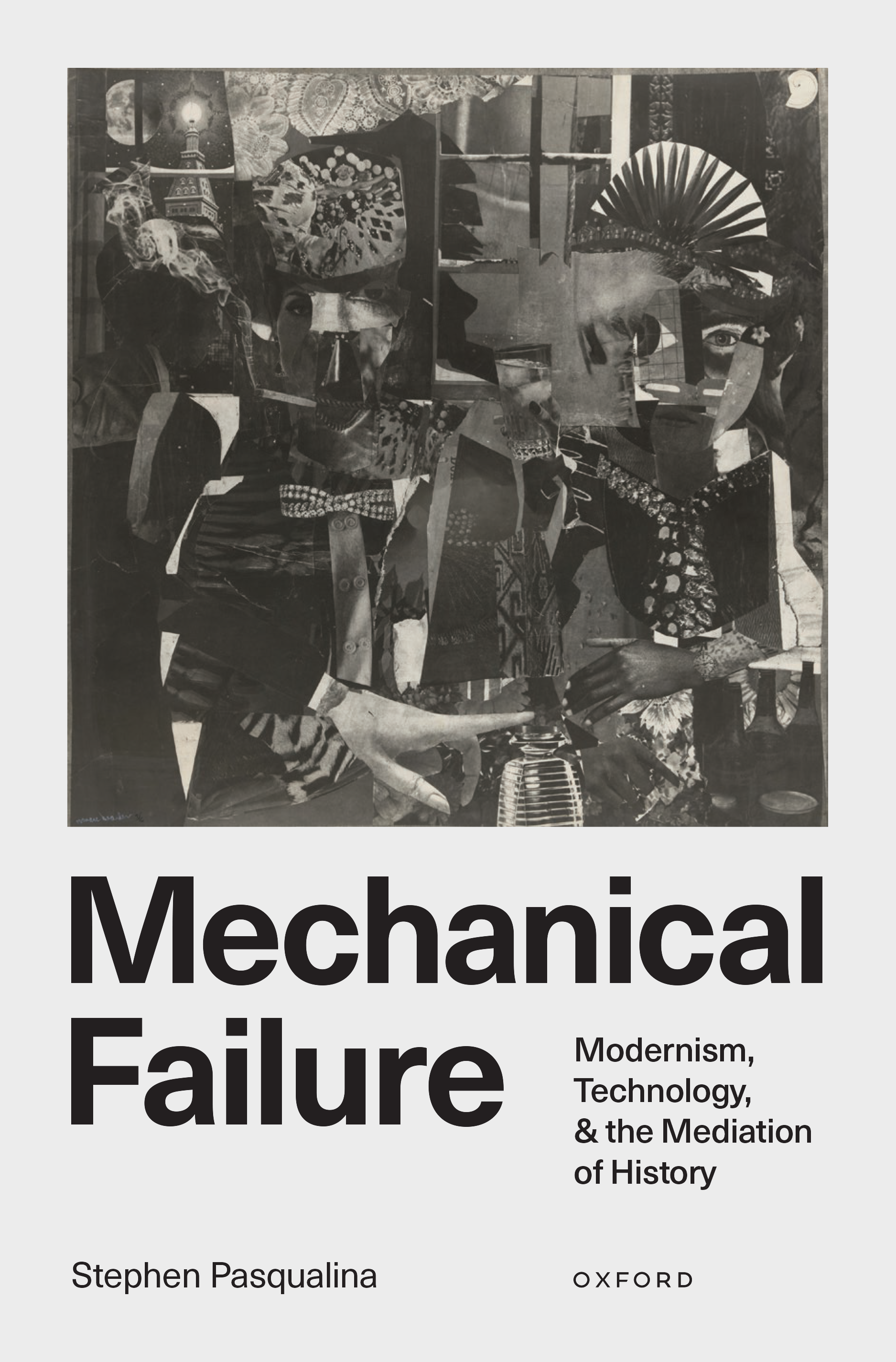
Mechanical Failure locates U.S. modernism at the intersection of two interrelated developments: In the same decades that the U.S. began to colonize overseas territories, transitioning the nation from a collection of contiguous states into a global empire, “technology” emerged as a collective term for the diverse “mechanical arts,” connecting steamships with cameras, typesetting machines with automobiles. In this book, Stephen Pasqualina tracks how modernists confronted this confluence of concrete abstractions, through which the material grounds of modernist claims to immediacy and the new were entangled with vast scales of historical time and global space that exceeded the boundaries of visual experience.
In scenes of “mechanical failure,” where machines breakdown, go missing, or otherwise fail to realize their instrumental purpose, Pasqualina argues that modernism remediates the contradiction between technological immediacy and abstraction as a site for glimpsing the unrepresentable totality of the U.S. empire and of global capitalism. In chapters that study how individual authors navigate episodes in the history of the U.S. empire—from Zora Neale Hurston and the occupation of Haiti to Miné Okubo and the incarceration of Japanese Americans during WWII—Mechanical Failure articulates a dialectical approach to technology, in which the vast, violent, and unrepresentable structures of the U.S. empire become tangible and immediate.
Keywords: Modernism, technology, mediation, failure, Black studies, imperialism, American studies, reification, spectacle, totality
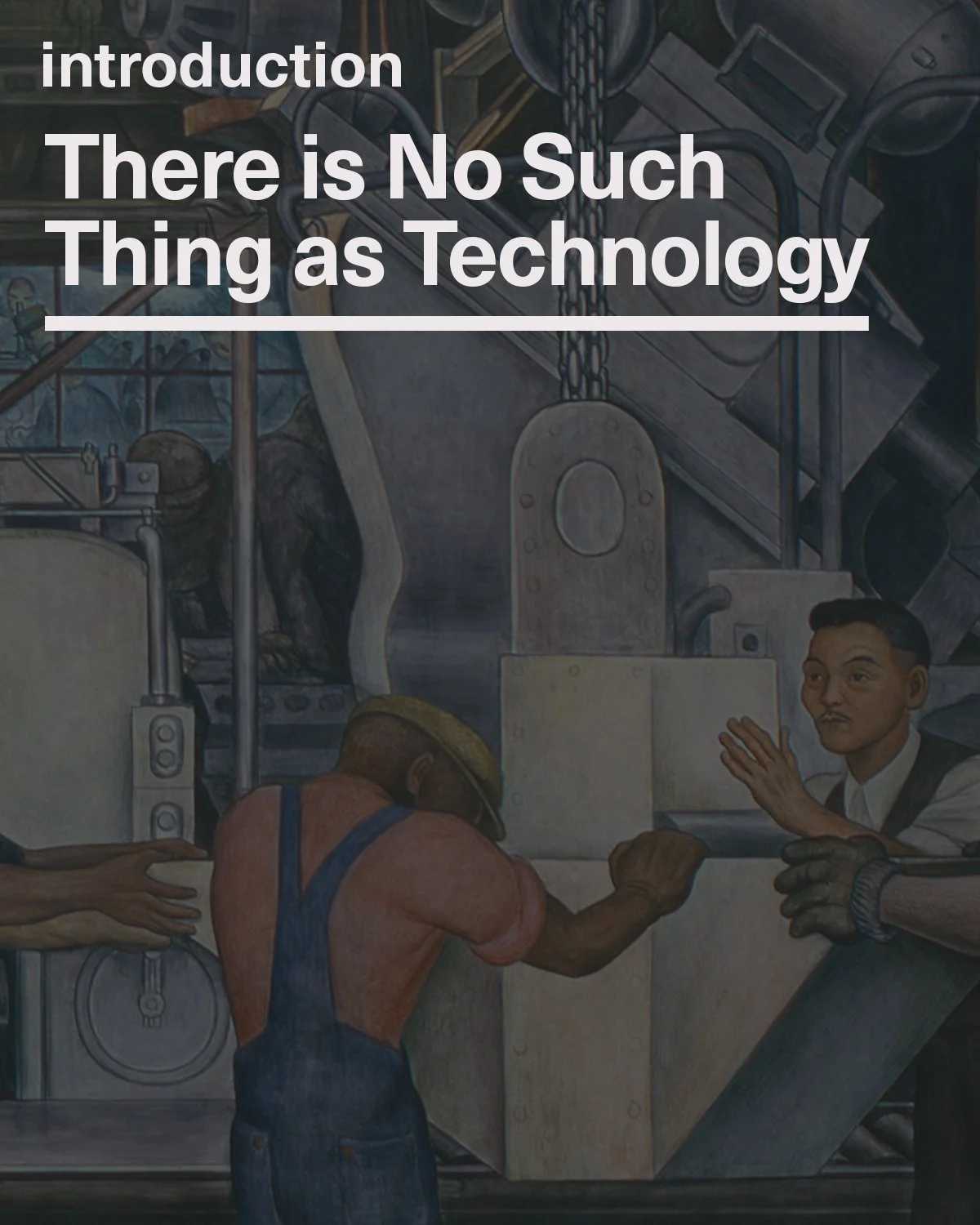
The introduction opens with a reading of Diego Rivera’s Detroit Industry (1932) murals as an illustration of what the book terms “mechanical failure,” through which modernism encounters technology as both the engine of industrial capitalism and a privileged site for mediating history. The introduction then tracks the relation between the growth of the U.S. empire overseas and the emergence of “technology” as a general term for diverse mechanical artifacts and systems. Through its engagements with technology’s illusory materiality, modernism invites us to reimagine technological reification as not only a mode of false consciousness but an unlikely method for mediating history. The introduction concludes by situating the book in relation to recent developments in science, technology, and society, Black studies, and failure studies, before offering chapter summaries.
Keywords: Diego Rivera, race, technology, empire, reification, ideology, Charlie Chaplin, George Schuyler, totality, history
Chapter 1 examines Zora Neale Hurston’s remediation of transatlantic slavery in her writing and camerawork, focusing especially on Hurston’s technical “failures” as testaments to the limits of visualizing history. The chapter focuses especially on Hurston’s navigation of the U.S. occupation of Haiti, reading her claim to be the first to photograph a zombie as a complex remediation of transatlantic slavery through the technological idiom of visual evidence. In Tell My Horse (1938) and related works, including Barracoon (1931) and Their Eyes Were Watching God (1937), slavery emerges a present opacity, an encoding of Blackness as a surface that exceeds the holds of “depth” and social death. This resistance to legibility remediates the twentieth-century U.S. as foreign to itself, legible only within a transnational structure of colonial occupation.
Keywords: Zora Neale Hurston, Haiti, ethnography, photography, zombie, slavery, opacity, surface, Jim Crow, colonialism
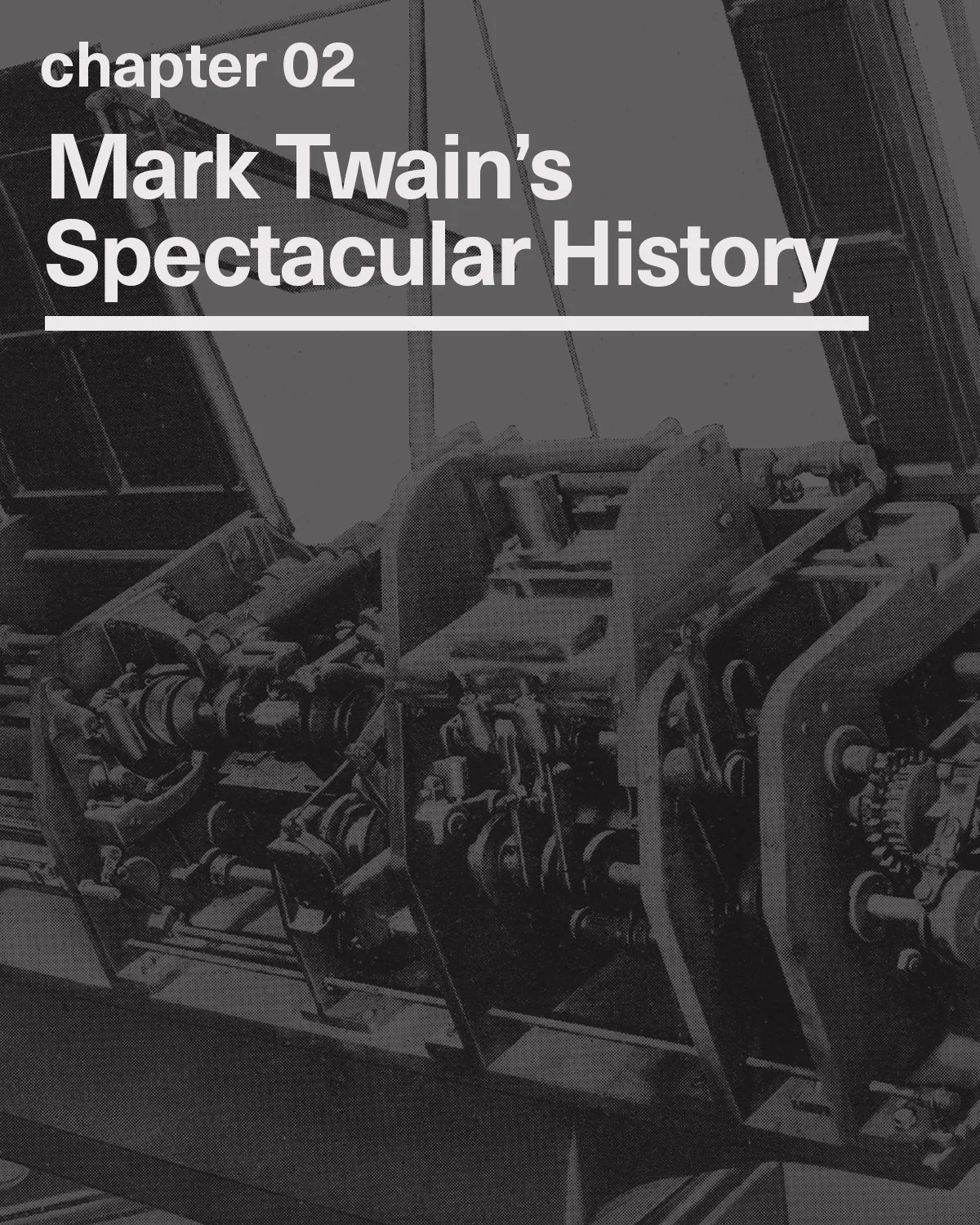
Chapter 2 tracks the turns in Mark Twain’s technological imaginary alongside the rise of U.S. overseas imperialism around the turn of the twentieth century. Through readings of a wide range of his writings from 1880 to 1910, especially A Connecticut Yankee in King Arthur’s Court (1889) and Following the Equator (1897), the chapter examines Twain’s relationship to modern technology following the Paige Compositor’s failure. The chapter tracks Twain’s emergent modernism through shifts in his historical imaginary and in his political and economic identities. Though the typesetter’s failure shaped Twain’s skepticism toward technological spectacle in Connecticut Yankee, portions of the novel, along with Following the Equator, Mark Twain’s Memory-Builder board game, and a history roadway game he built for his daughters, attempt to re-appropriate spectacle as a means of salvaging historical consciousness within the antihistorical idioms of the machine age.
Keywords: Mark Twain, imperialism, colonialism, history, mediation, Paige typesetter, Philippines, Congo, King Leopold, spectacle
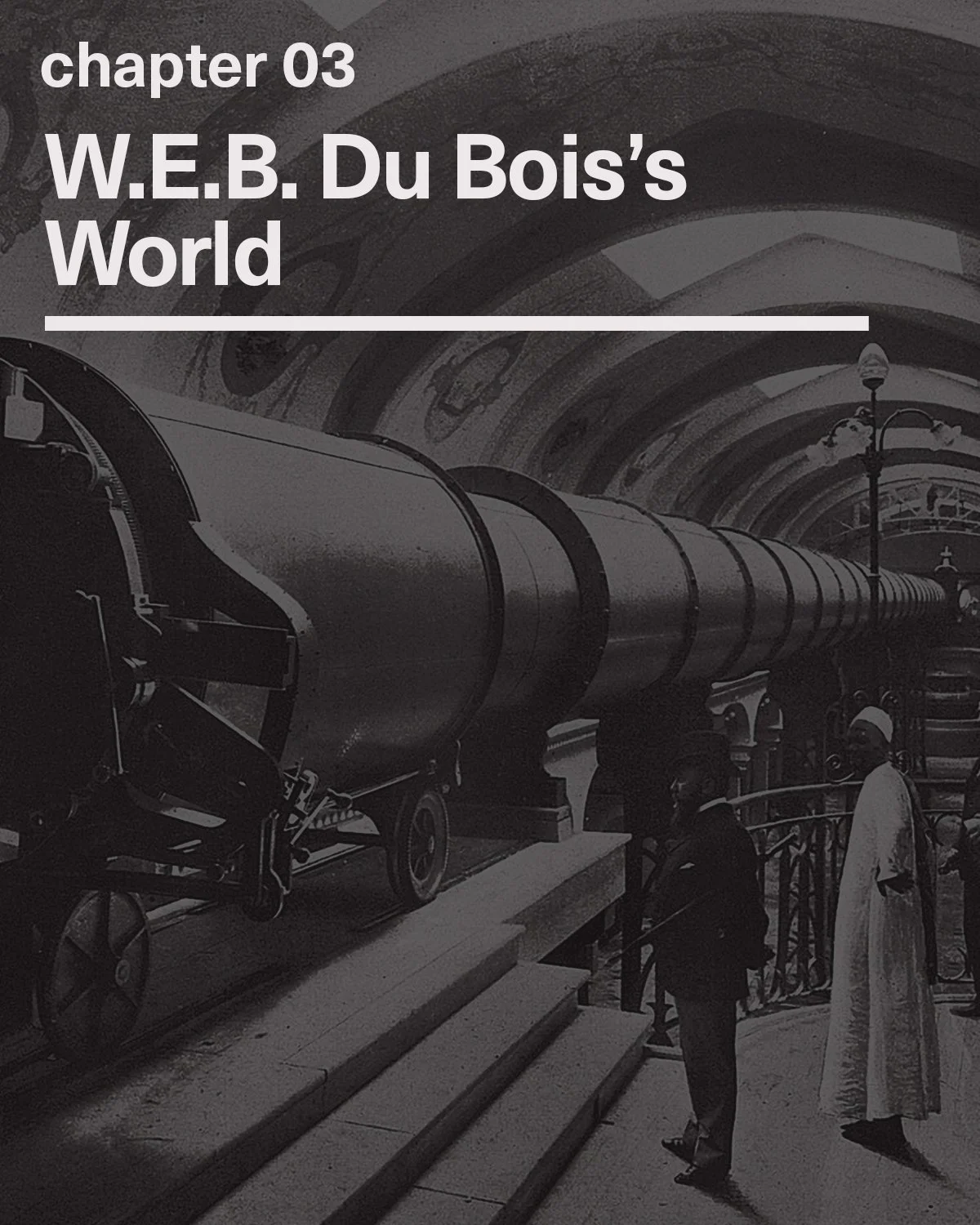
Chapter 3 studies Du Bois’s evolving critiques of imperialism, racial capitalism, and the limitations of social science, focusing especially on his long-unpublished short story “The Princess Steel” (c. 1908). The story’s fictive “megascope” reveals an allegory of steel production rooted in primitive accumulation, but the machine ultimately fails in the hands of its lone female user. The chapter reads this failure as a window into Du Bois’s critiques of the imperialist and masculinist frameworks embedded in technological and sociological visions of totality. The chapter reads “The Princess Steel” alongside a range of surrounding projects, including his Exhibit of American Negroes (1900), “The Present Outlook of the Dark Races of Mankind” (1900), Darkwater (1920), and Dark Princess (1928). These texts articulate Du Bois’s theorization of “the world” through a social theory of technology, an orientation for witnessing Blackness as modernity’s foundation.
Keywords: W.E.B. Du Bois, megascope, Great Paris Telescope, slavery, primitive accumulation, Jim Crow, railroad, Georges Méliès, gender, colonialism
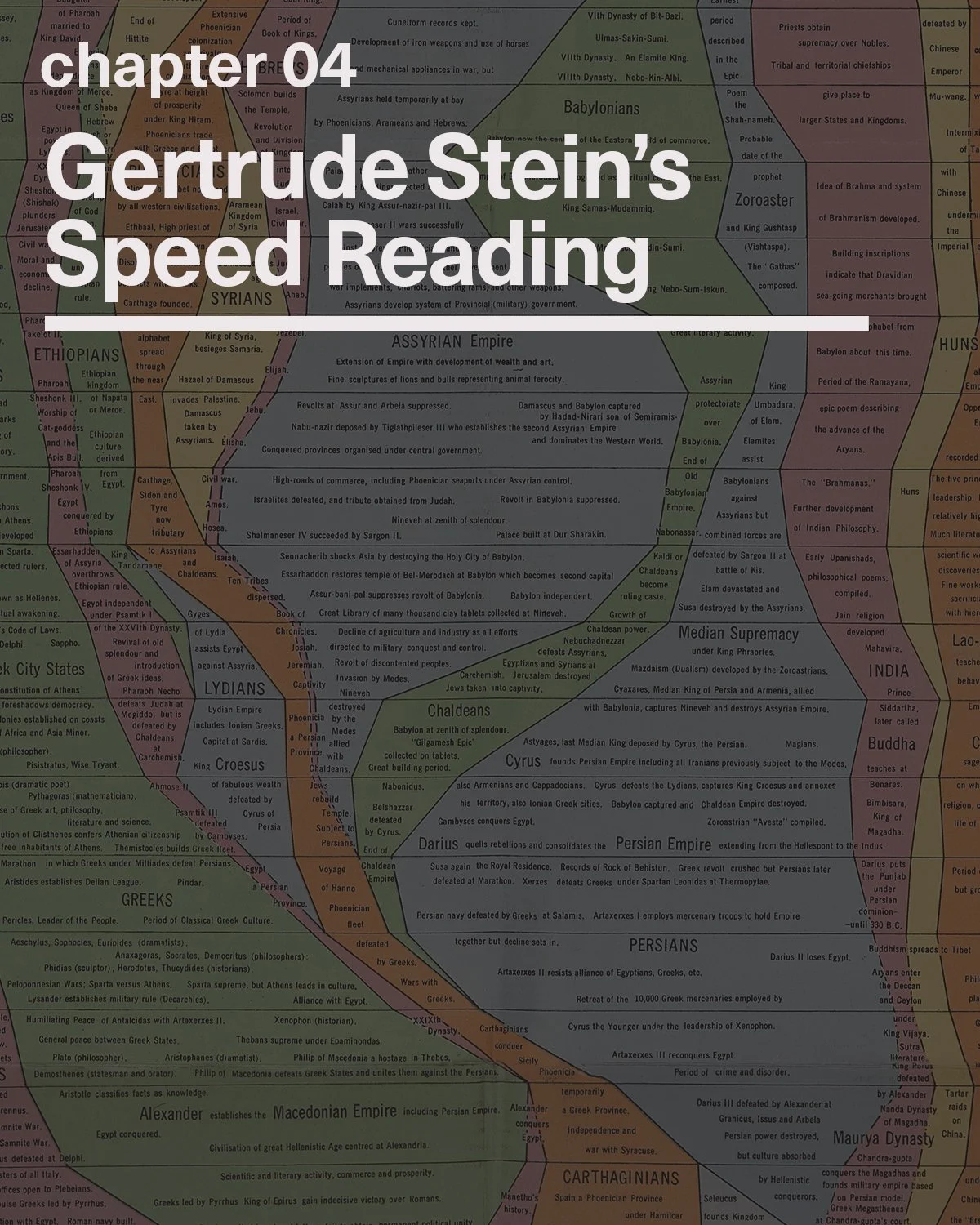
Chapter 4 examines Gertrude Stein’s technologically mediated theory of history, focusing especially on “We Came. A History.” (1931), a poem she composed for Bob and Rose Brown’s reading machine. Stein’s “readie” embraces the cinematic movement of the reading machine as a medium fit for realizing what she took to be the incomplete project The Making of Americans—to make the “history of the whole world” immediately present. The Browns’ failure to bring the machine to market would remand Stein’s “readie” to the static book form. At the height of the Great Depression, the static form of “We Came” frames cinema as a temporally and spatially dispersed process, an object of sedimented but obscured labor, rather than what Stein set out to produce: an immediately present visual product.
Keywords: Gertrude Stein, Bob Brown, Rose Brown, reading machine, Great Depression, cinema, assembly line, speed, stillness, Walter Benjamin
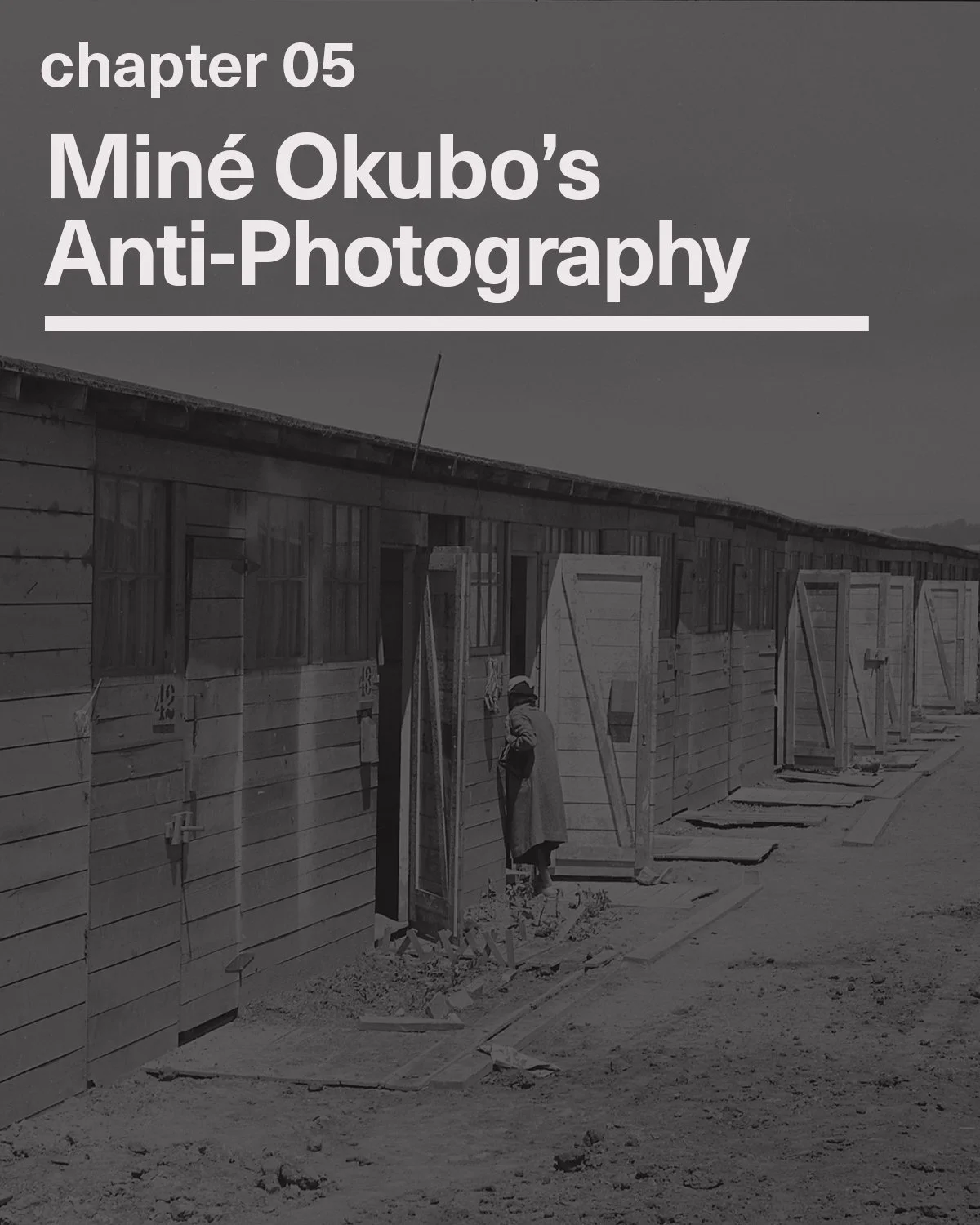
Chapter 5 studies Miné Okubo’s graphic memoir Citizen 13660 (1946) as an instance of what Masao Miyoshi calls “anti-photography.” Okubo frames her line drawings and written sketches as surrogates for photography, which was banned in the Japanese American concentration camps during World War II. To bring this absence into view, the chapter reads Okubo’s work against Dorothea Lange’s photographs of forced removal and incarceration, especially her photographs of the Tanforan Assembly Center in San Bruno, CA, where Okubo was imprisoned for five months. The War Relocation Authority’s endorsement of Citizen 13660 reveals the state’s ability to absorb critique as evidence of its democratic pluralism. The book’s contradictory relation to the U.S. empire illustrates the perils and possibilities of modernism’s aesthetic and political failures.
Keywords: Miné Okubo, Japanese American incarceration, photography, graphic memoir, Dorothea Lange, surveillance, dark sousveillance, colonialism, World War II, propaganda
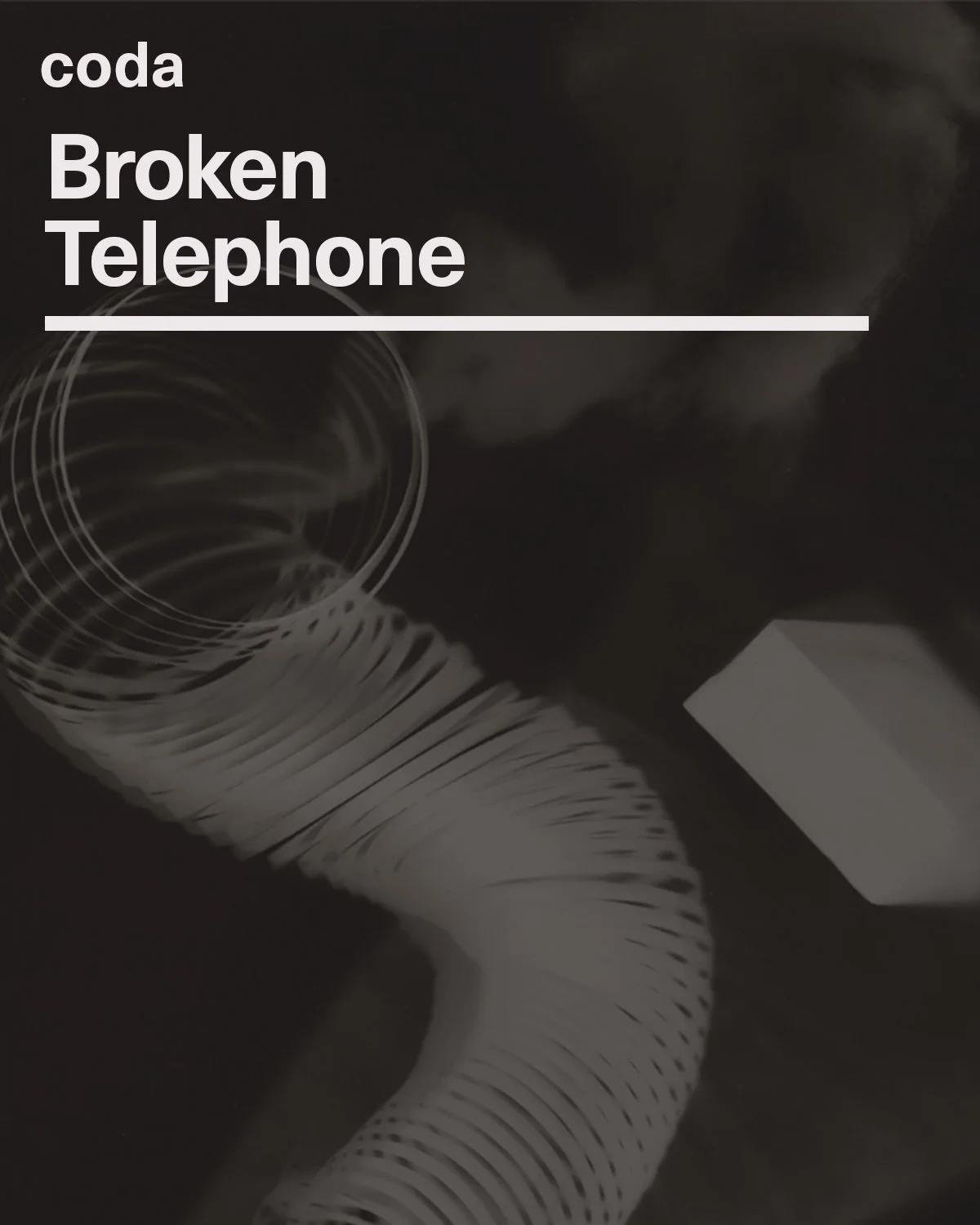
The coda opens with a reflection on the faulty scientific analogy that structures T.S. Eliot’s account of “Tradition and the Individual Talent” (1919). This moment illustrates the book’s larger focus on the material world’s frustration and redirection of modernism’s efforts to order or escape from history. The coda then reflects on the book’s interrogations of modernist revelations of totality, rooted not in encyclopaedic accounts of historical time and global space but in the intransigence of the material world. The book concludes with a reading of “Teléfono Roto,” the prose poem that opens Brandon Som’s Tripas (2023). Through Som’s poem, the book closes with an account of technology as a transnational and material force that allows us to touch and potentially transform historical structures that exceed our grasp.
Keywords: T.S. Eliot, tradition, impersonality, order, Brandon Som, telephone, semiconductor, general purpose technology, transnationalism, poetics